Understanding Bite Misalignment: Overbite, Underbite, Crossbite, and Open Bite
A misaligned bite, also called malocclusion, happens when the upper and lower teeth do not meet correctly when the mouth is closed. It is one of the most common reasons patients in Gurugram and Malviya Nagar visit an orthodontist, whether for a child's growing smile or an adult's long-standing concern. Understanding the type of misalignment you or your child has is the first step toward choosing the right treatment.
What Causes Bite Misalignment
Most bite problems develop from a mix of genetics and childhood habits. Common causes include:
- Inherited jaw size or shape differences between the upper and lower jaw
- Early loss of baby teeth, which allows nearby teeth to drift
- Prolonged thumb sucking or pacifier use beyond toddler years
- Tongue thrusting or mouth breathing during childhood
- Missing, extra, or impacted teeth
- Injury to the jaw or teeth
In adults, untreated childhood misalignment, tooth loss, or years of teeth grinding can also change how the bite fits together over time.
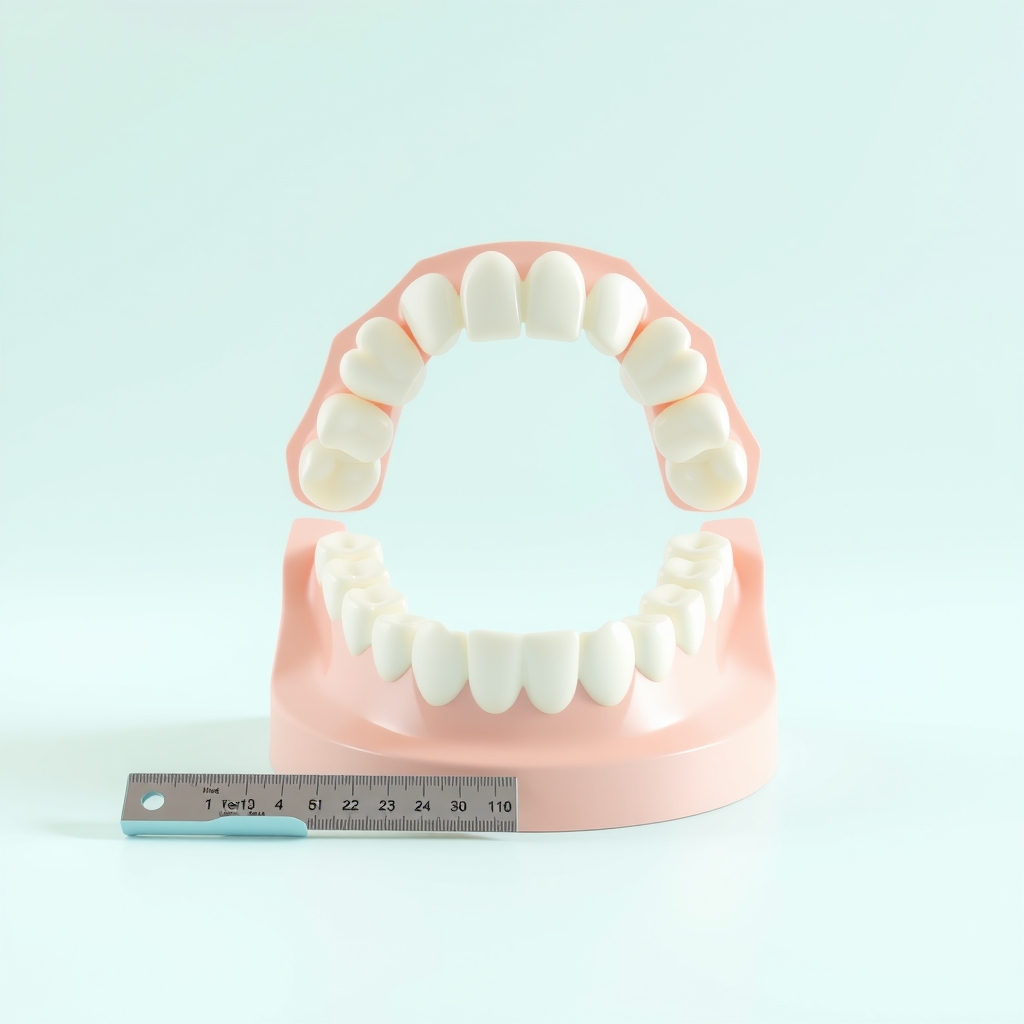
The Four Common Types of Bite Misalignment
Overbite
An overbite is when the upper front teeth extend noticeably over the lower front teeth. A small amount of overlap is normal, but a deep overbite can cause the lower teeth to bite into the roof of the mouth or gum tissue, leading to wear and discomfort. It is often linked to a small lower jaw or upper jaw that has grown too far forward.
Underbite
An underbite is the opposite: the lower front teeth sit in front of the upper teeth. This usually happens when the lower jaw grows larger than the upper jaw, or the upper jaw does not grow enough. Underbites can affect chewing efficiency and sometimes give the lower jaw a prominent, jutting appearance.
Crossbite
In a crossbite, one or more upper teeth sit inside the lower teeth instead of outside them, either at the front or on one or both sides of the mouth. This can cause the jaw to shift to one side when biting down, sometimes leading to uneven jaw growth or wear on specific teeth if left uncorrected.
Open Bite
An open bite occurs when the upper and lower front teeth do not touch at all when the back teeth are closed together, leaving a visible gap. It is often caused by prolonged thumb sucking, tongue thrusting, or a skeletal growth pattern where the jaws do not meet properly at the front.
How to Identify a Bite Problem
You do not need special equipment to notice early signs. Watch for these clues:
- Teeth that look crowded, gapped, or crooked when biting down
- Difficulty chewing certain foods or biting the cheek or tongue often
- Jaw clicking, soreness, or a feeling that the jaw shifts when closing
- A visible gap between upper and lower front teeth when back teeth touch
- Speech that sounds slightly affected, especially in children
- Uneven or asymmetrical facial appearance
A dental checkup with photographs, models, or X-rays gives a precise diagnosis, since some bite issues are subtle and only visible on closer examination.
Correction Options for Children
Because a child's jaw is still growing, early treatment can guide growth in a favourable direction and sometimes reduce the need for more complex treatment later. Options include:
- Removable or fixed space maintainers if baby teeth are lost early
- Palate expanders to widen a narrow upper jaw, useful for crossbites
- Habit-breaking appliances for thumb sucking or tongue thrusting
- Early phase braces for significant overbite, underbite, or crowding
Correction Options for Adults
Adult bones are no longer growing, so treatment focuses on moving teeth and, in some cases, adjusting jaw position surgically. Options include:
- Traditional metal or ceramic braces for moderate to severe misalignment
- Clear aligners for mild to moderate cases where discretion matters
- Retainers to hold results in place after active treatment
- Orthognathic (jaw) surgery for significant skeletal underbites or open bites, done alongside orthodontic treatment
| Bite Type | Common in Children | Common in Adults |
|---|---|---|
| Overbite | Habit appliances, early braces | Braces or aligners, occasionally surgery |
| Underbite | Growth-guiding appliances | Braces with possible jaw surgery |
| Crossbite | Palate expanders | Braces or aligners |
| Open Bite | Habit correction, monitoring | Braces, aligners, or surgery for severe cases |
Cost for correction in Gurugram and Malviya Nagar varies by bite type, severity, and chosen appliance. Simple aligner or braces cases usually fall in a lower typical range, while cases involving palate expanders, habit appliances, or jaw surgery sit in a higher typical range. An in-person consultation and diagnostic records give the most accurate picture for your specific bite.
If you have noticed any of these signs in yourself or your child, an orthodontic evaluation is a practical next step. Early identification, whether the bite is an overbite, underbite, crossbite, or open bite, makes treatment planning simpler and often more comfortable in the long run.
Have questions about your teeth?
Esthetica International Clinique · 95P, Sector 47, Gurugram
Frequently asked questions
At what age should a child be checked for bite problems?
Most orthodontists recommend a first evaluation by age 7. By this age, enough adult teeth have come in to spot developing bite issues early, even if treatment is not started right away.
Can adults still correct a misaligned bite?
Yes. Adult jaws and teeth respond well to modern braces, clear aligners, and in select cases jaw surgery. Treatment may take longer than in children but results are usually stable with good retention.
Does a misaligned bite always need treatment?
Not always. Mild misalignment that does not affect chewing, speech, or jaw comfort may just need monitoring. Your dentist can advise whether your specific bite needs active correction.
How much does bite correction typically cost in Gurugram or Malviya Nagar?
It depends on the type and severity of misalignment and the treatment chosen. Simple cases with clear aligners or braces sit in one typical range, while cases needing jaw surgery cost more. A clinical exam gives an accurate estimate.
Treatment costs mentioned on this page are indicative ranges for the Gurugram & Malviya Nagar, Delhi region. Your exact cost depends on your case and will be confirmed after a clinical examination at the clinic.