Corrective Jaw Surgery (Orthognathic Surgery): When Braces Alone Are Not Enough
Most bite problems can be corrected with braces or clear aligners alone. But when the misalignment comes from the jawbones themselves, not just the teeth, braces have limits. This is where corrective jaw surgery, also called orthognathic surgery, becomes necessary. At our clinic in Sector 47, Gurugram, we often see patients from Gurugram and Malviya Nagar, Delhi who have tried years of orthodontic treatment without achieving a stable, comfortable bite. Understanding when surgery is genuinely needed can help you make an informed decision.
Why Braces Alone Sometimes Aren't Enough
Braces and aligners move teeth within the jawbone. They cannot change the size, shape, or position of the jawbone itself. When the upper and lower jaws are significantly different in size or positioned incorrectly relative to each other, moving teeth alone cannot create a functional, balanced bite. Forcing teeth to compensate for skeletal discrepancies often leads to relapse, jaw strain, and an unnatural facial appearance.
Common Signs Surgery May Be Needed
- A severe overbite, underbite, or open bite that does not close even with braces
- Difficulty chewing, biting, or speaking clearly
- Chronic jaw pain or clicking associated with facial imbalance
- Facial asymmetry, such as a visibly receded chin or protruding jaw
- Lips that do not close naturally, leading to mouth breathing
- Sleep apnea linked to a small or recessed lower jaw
The Evaluation Process
Deciding on surgery is never a quick decision. It typically involves a team approach between an orthodontist and an oral and maxillofacial surgeon.
- Clinical examination: Assessment of jaw movement, bite alignment, and facial symmetry.
- Imaging: Panoramic X-rays, cephalometric X-rays, and often a 3D CT scan to study bone structure precisely.
- Digital or physical models: Used to plan exact tooth and jaw movements.
- Treatment planning: The orthodontist and surgeon decide the sequence of braces and surgery together, sometimes using computer simulations to predict the final result.
This evaluation determines whether surgery is truly needed or whether a less invasive orthodontic approach could still work.
How the Procedure Works
Orthognathic surgery is performed under general anesthesia, usually in a hospital setting with the oral surgeon leading the procedure. Depending on the case, surgery may involve the upper jaw (maxilla), lower jaw (mandible), or both.
- The surgeon repositions the jawbone into correct alignment
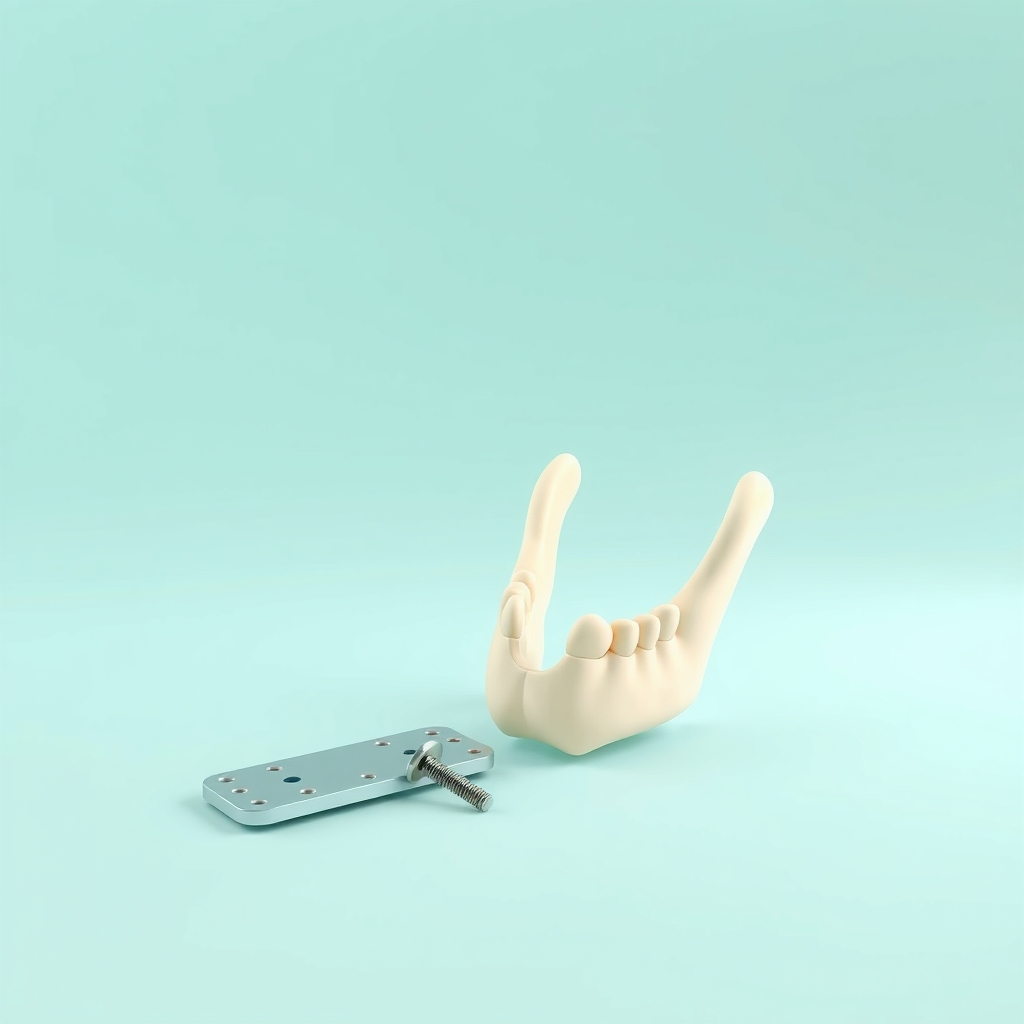
- Small titanium plates and screws hold the bone in its new position
- Incisions are usually made inside the mouth, so visible scarring is minimal
- Surgery duration ranges from about 2 to 6 hours depending on complexity
Before surgery, braces are worn for 12 to 18 months to align the teeth within each jaw so they fit together correctly once the jaws are repositioned.
Recovery Timeline
| Phase | What to Expect |
|---|---|
| First 1-2 weeks | Swelling, bruising, and limited jaw movement. Soft or liquid diet required. |
| 2-6 weeks | Swelling reduces significantly. Gradual return to semi-solid foods. |
| 6-12 weeks | Bone healing continues. Normal diet typically resumes with caution. |
| 3-12 months | Orthodontic fine-tuning with braces to perfect the bite. |
Most patients take 2 to 4 weeks off work or school for initial healing. Full bone stabilization can take several months, though daily activities resume much sooner.
Cost Considerations
Orthognathic surgery costs vary widely based on the complexity of the case, whether one or both jaws are involved, and hospital charges. In Gurugram and Malviya Nagar, Delhi, the typical range for corrective jaw surgery is approximately 1,50,000 to 4,50,000 INR, excluding pre- and post-surgical orthodontic treatment. We recommend a detailed consultation and imaging review before any cost estimate is given, since every case is different.
Is Surgery Right for You?
Not everyone with a bad bite needs surgery. The decision depends on whether the problem is skeletal (jawbone-related) or purely dental (teeth-related). A thorough evaluation with X-rays and a joint consultation between an orthodontist and oral surgeon is the only reliable way to know. If you have been told braces alone haven't worked or your bite issue seems unusually severe, it is worth getting a dedicated surgical consultation to understand your options clearly.
Have questions about your teeth?
Esthetica International Clinique · 95P, Sector 47, Gurugram
Frequently asked questions
Is corrective jaw surgery painful?
There is swelling and discomfort for the first week or two, managed with prescribed pain medication. Most patients describe it as manageable, similar to recovering from wisdom tooth removal but more prolonged.
Will I need braces before and after surgery?
Yes, most patients wear braces for 12 to 18 months before surgery to align teeth within each jaw, then continue braces for a shorter period after surgery to fine-tune the bite.
How do I know if I need surgery instead of just braces?
An orthodontist and oral surgeon evaluate your jaw size, facial proportions, and bite using X-rays and models. If the skeletal discrepancy is too large for teeth movement alone to fix, surgery is recommended.
How long is the total treatment timeline?
From initial orthodontic preparation to final recovery, the full process typically takes 18 to 30 months, with the surgery itself requiring about 2 to 4 weeks of significant recovery time.
Treatment costs mentioned on this page are indicative ranges for the Gurugram & Malviya Nagar, Delhi region. Your exact cost depends on your case and will be confirmed after a clinical examination at the clinic.