Do Oral Probiotics Really Help Your Gums and Breath?
Walk into any pharmacy in Gurugram or Malviya Nagar, Delhi and you will likely spot oral probiotic lozenges or chewing gum near the toothpaste aisle. The marketing promises fresher breath and healthier gums using "good bacteria." The idea sounds appealing, but what does the actual research say? Here is an honest, plain-English look at oral probiotics.
What Are Oral Probiotics?
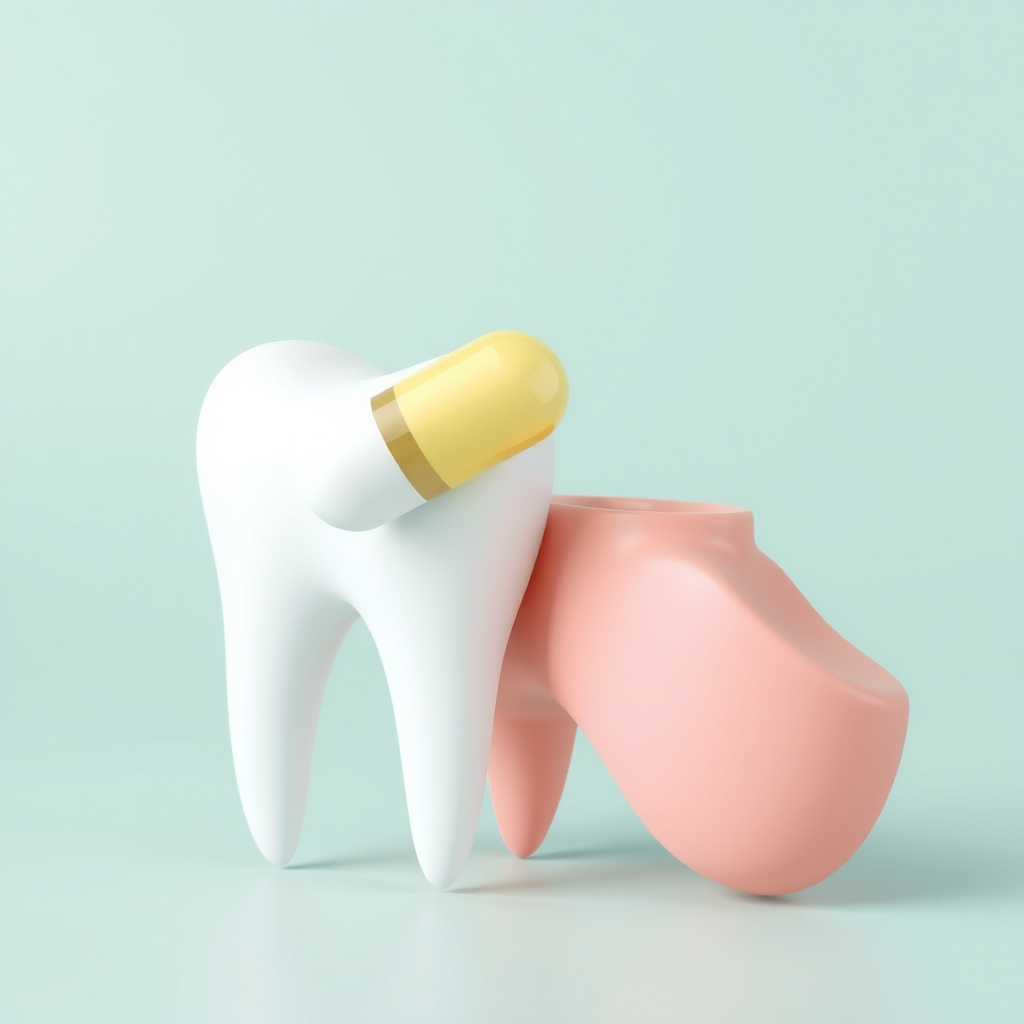
Oral probiotics contain live, beneficial bacterial strains, often from the Lactobacillus or Streptococcus salivarius families, that are meant to live in your mouth rather than just pass through your gut. The theory is that these friendly bacteria can compete with the harmful bacteria that cause plaque, gum inflammation, and bad breath, essentially crowding out the troublemakers.
How They Are Supposed to Work
- Competing with odour-causing bacteria for space and nutrients on the tongue and gums
- Producing substances that may reduce the growth of harmful species linked to gum disease
- Possibly calming the body's inflammatory response in early gum inflammation (gingivitis)
What Does the Evidence Actually Show?
Research on oral probiotics is still developing. Some small clinical trials have found modest improvements in bleeding gums and plaque scores after several weeks of regular use, particularly with Streptococcus salivarius strains. Other studies looking at bad breath have shown short-term reductions in sulfur compounds that cause odour.
However, most of these studies are small, use different bacterial strains, and often run for only a few weeks. There is not yet enough consistent, large-scale evidence to call oral probiotics a proven treatment for gum disease. Dental bodies generally describe them as a promising area, not a confirmed solution.
A Balanced Summary
| Claim | What evidence suggests |
|---|---|
| Reduces plaque slightly | Some support in short trials |
| Reverses established gum disease | Not supported; needs professional treatment |
| Freshens breath temporarily | Reasonable short-term support |
| Prevents cavities | Limited, inconsistent evidence |
Can Probiotics Prevent Gum Disease?
Gum disease, from mild gingivitis to more advanced periodontitis, is mainly caused by a buildup of plaque bacteria along the gumline that your body's immune system reacts to. The most reliable ways to prevent it remain:
- Brushing twice daily with a fluoride toothpaste
- Cleaning between teeth daily with floss or a water flosser
- Getting professional cleanings every 6 months, or more often if you have a history of gum problems
- Managing risk factors like smoking and uncontrolled diabetes
Oral probiotics may offer a small supportive benefit alongside these habits, but they should never replace them. Think of probiotics as a possible extra layer, not a stand-in for brushing, flossing, or your dental check-up.
What About Bad Breath?
Most bad breath (halitosis) comes from bacteria on the tongue, between teeth, or from gum inflammation. Oral probiotics containing Streptococcus salivarius K12 have shown some promise in small studies for reducing the volatile sulfur compounds responsible for odour. That said, persistent bad breath can also signal untreated gum disease, dry mouth, or less commonly a digestive or sinus issue, so it is worth getting checked rather than relying on supplements alone.
Practical Tips If You Want to Try Them
- Choose products with clearly named bacterial strains, not just "probiotic blend"
- Use consistently for at least 4 to 6 weeks before judging results
- Continue your regular brushing, flossing, and dental visits alongside them
- Mention any supplements you are taking at your next dental check-up
Our Take at Esthetica International Clinique
We see patients across Gurugram and Malviya Nagar, Delhi who are keen to try natural approaches to oral health, and that interest is understandable. Oral probiotics are a reasonable, low-risk addition for some people, but they are not a substitute for basic oral hygiene or professional care. If you are dealing with persistent bad breath, bleeding gums, or gum recession, these are signs worth having examined properly rather than managed with supplements alone.
A thorough cleaning and gum assessment can tell you exactly where you stand, and from there we can discuss whether any additional products, including probiotics, make sense for your specific situation.
Have questions about your teeth?
Esthetica International Clinique · 95P, Sector 47, Gurugram
Frequently asked questions
Can oral probiotics replace brushing and flossing?
No. Probiotics are a possible add-on, not a replacement. Brushing twice daily, cleaning between teeth, and regular dental visits remain the foundation of gum health.
How long does it take to notice any difference?
Most studies use 2 to 8 weeks of daily use before measuring changes in plaque, gum bleeding, or breath odour. Results vary from person to person, and not everyone responds.
Are oral probiotics safe for everyone?
They are generally considered safe for healthy adults. People with weakened immune systems, central lines, or serious underlying illness should check with their doctor before starting any probiotic.
Which is better, probiotic lozenges or chewing gum?
Both deliver live bacteria to the mouth, but lozenges that dissolve slowly may give the bacteria more contact time with gums and teeth. Evidence directly comparing formats is still limited.
Treatment costs mentioned on this page are indicative ranges for the Gurugram & Malviya Nagar, Delhi region. Your exact cost depends on your case and will be confirmed after a clinical examination at the clinic.