How Tongue, Lip, and Cheek Piercings Can Affect Your Teeth and Gums
Tongue, lip, and cheek piercings are a popular way to express personal style, and many people in Gurugram and Malviya Nagar, Delhi wear them without any immediate problems. However, these piercings sit very close to teeth, gums, and soft oral tissue, and over months or years they can quietly cause damage that is not always obvious until it becomes serious. Understanding these risks can help you protect your smile while keeping the look you love.
Why Oral Piercings Affect Dental Health
The mouth is a small, constantly moving space. Every time you talk, chew, swallow, or sleep, jewellery in the tongue, lip, or cheek can rub or knock against teeth and gums. This repeated contact, combined with the mouth's warm, moist environment, creates conditions where damage can build up slowly and often painlessly at first.
Common Ways Piercings Damage Teeth and Gums
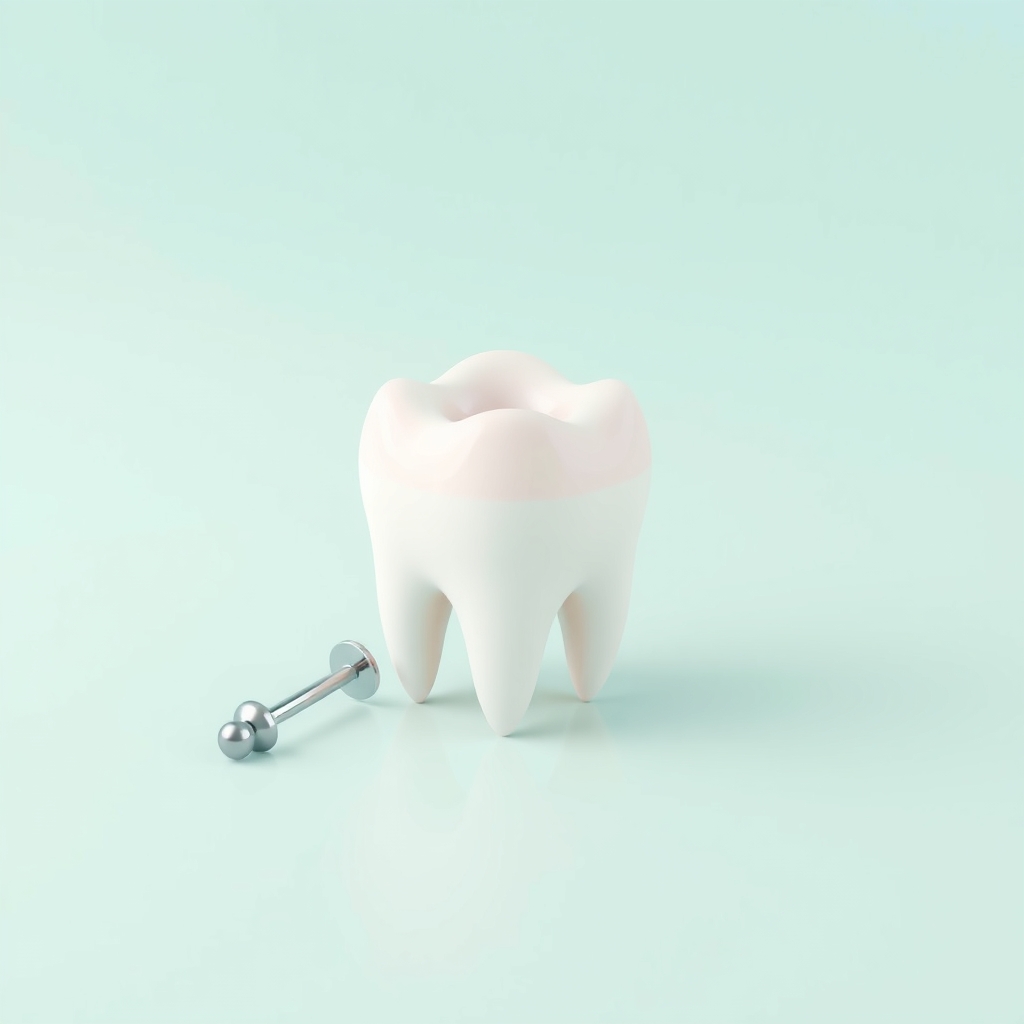
- Chipped or cracked teeth: Metal barbells clicking against teeth during speech or sleep can wear down enamel or cause small fractures over time.
- Gum recession: Lip and cheek piercings often rub against the gum line, causing the gums to pull back and expose tooth roots. This can lead to sensitivity and, in some cases, tooth loss if untreated.
- Excess saliva and infection risk: Piercings can trigger extra saliva production and give bacteria more places to collect, increasing the chance of gum infections.
- Tissue swelling and nerve damage: Tongue piercings carry a risk of swelling right after placement, which can briefly affect breathing or speaking, and rare cases involve temporary numbness from nerve irritation.
- Speech and chewing changes: Some people develop a habit of pushing jewellery against teeth, which can worsen wear patterns over time.
Signs You Should Not Ignore
If you have an oral piercing, watch for these warning signs and see a dentist promptly if they appear.
- Gums that look thinner, redder, or pulled away from the teeth
- Teeth that feel rough, chipped, or suddenly more sensitive to hot or cold
- Persistent bad breath or a metallic taste that does not go away with cleaning
- Swelling, pus, or pain around the piercing site
- Jewellery that feels loose or has visibly shifted position
Safer Care Tips for People With Oral Piercings
If you already have a piercing and prefer to keep it, these habits can lower your risk of dental damage.
- Choose shorter, snug-fitting jewellery. Loose or long barbells move more and cause more friction against teeth and gums.
- Switch to softer materials when possible. Some people use plastic or PTFE retainers instead of metal to reduce the chance of chipping teeth.
- Avoid playing with the jewellery. Clicking it against teeth or twisting it with your tongue increases wear and irritation.
- Clean it properly. Rinse with an alcohol-free antibacterial mouthwash after meals and brush gently around the piercing site.
- Check the position regularly. If jewellery seems to be sitting closer to the gum line than before, get it evaluated rather than waiting.
- Remove piercings during sports or sleep guards. This reduces accidental biting and pressure on teeth.
- Keep up with dental visits. Routine check-ups allow your dentist to monitor gum health and catch early enamel wear before it becomes a bigger issue.
When Professional Dental Care Is Needed
Not every issue caused by a piercing needs urgent treatment, but some do. Gum recession, chipped teeth, or signs of infection should be assessed by a dentist rather than managed at home. Treatment depends on the extent of damage and may range from simple monitoring and jewellery adjustment to gum treatment or restorative dental work for damaged teeth.
| Concern | Typical Range (Gurugram & Malviya Nagar, Delhi) |
|---|---|
| Dental check-up and consultation | ₹300 to ₹800 |
| Gum recession assessment and basic treatment | ₹2,000 to ₹8,000 |
| Chipped tooth repair (bonding) | ₹1,500 to ₹5,000 per tooth |
These are typical ranges only and actual costs depend on your specific condition, which your dentist will confirm after an examination.
A Balanced Approach
Oral piercings do not automatically mean dental damage is guaranteed, but the risks are real and often develop gradually. Being mindful of jewellery choice, daily habits, and regular dental visits can go a long way in protecting your teeth and gums while you enjoy your piercing safely.
Have questions about your teeth?
Esthetica International Clinique · 95P, Sector 47, Gurugram
Frequently asked questions
Is it safe to keep an oral piercing long term?
It can be, but the risk of tooth wear, gum recession, and chipped teeth increases the longer a piercing is worn, especially with metal barbells. Regular dental check-ups help catch problems early.
Can a tongue piercing cause a tooth to break?
Yes. Repeated clicking or biting on the metal jewellery can chip or crack teeth over time, particularly the lower front teeth and molars that contact the piercing most often.
What should I do if my gums are receding near my lip piercing?
Visit a dentist as soon as you notice gum recession. Early changes can sometimes be managed with better jewellery choice and hygiene, but advanced recession may need gum treatment.
How soon after getting an oral piercing should I see a dentist?
It is a good idea to have a dental check-up within a few weeks of getting the piercing and then continue regular visits every six months to monitor your teeth and gums.
Treatment costs mentioned on this page are indicative ranges for the Gurugram & Malviya Nagar, Delhi region. Your exact cost depends on your case and will be confirmed after a clinical examination at the clinic.