Oil Pulling for Oral Health: What the Evidence Actually Says
Oil pulling has been practised for centuries in Ayurvedic tradition, and in recent years it has become popular again as a natural oral health remedy. Many patients in Gurugram and Malviya Nagar, Delhi ask us whether swishing oil in the mouth can really clean teeth, freshen breath, or even replace brushing. Here is an honest, evidence-based look at what oil pulling can and cannot do.
What Is Oil Pulling?
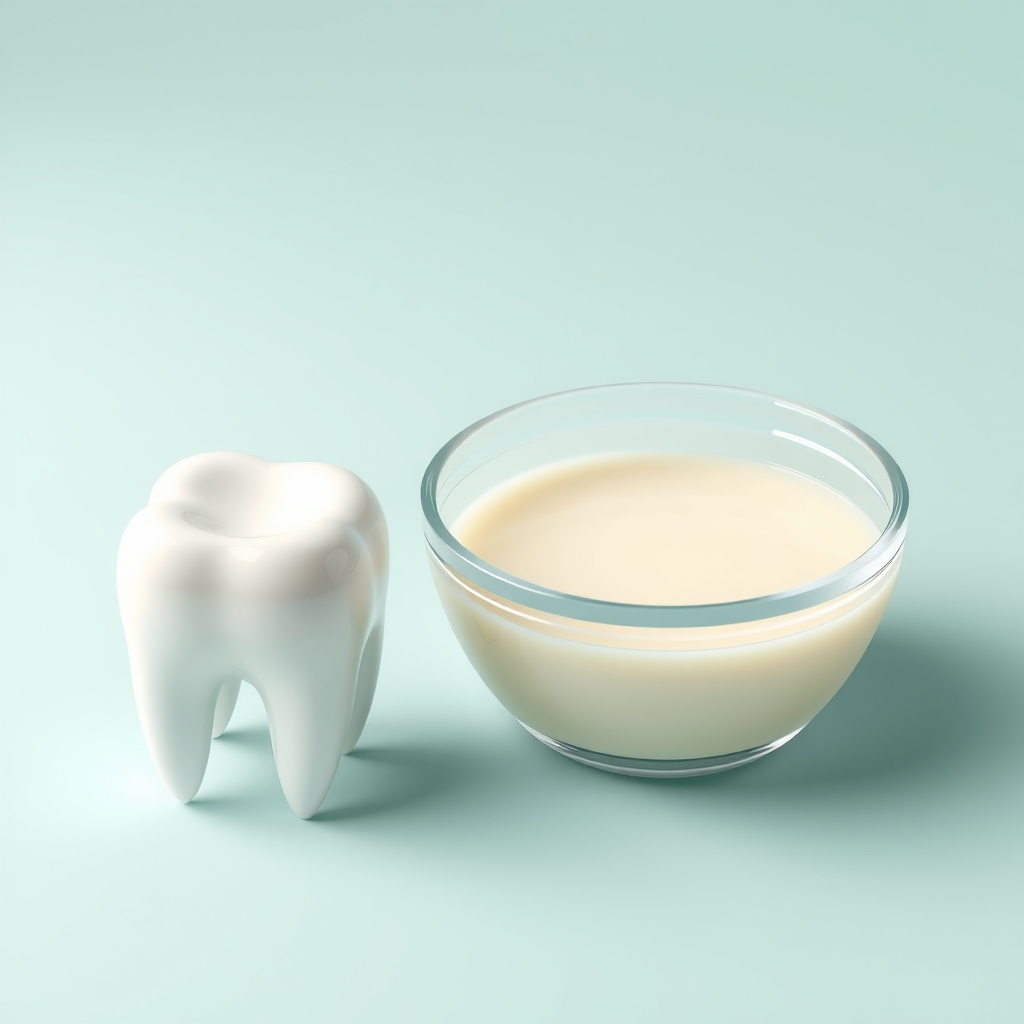
Oil pulling involves swishing about a tablespoon of oil, usually coconut, sesame, or sunflower oil, in the mouth for 10 to 20 minutes, then spitting it out. The idea is that the oil "pulls" bacteria, toxins, and debris from the mouth. It is traditionally done first thing in the morning, before eating or drinking.
What Does the Scientific Evidence Show?
Several small studies have looked at oil pulling, mostly comparing it to chlorhexidine mouthwash or standard oral hygiene. The findings are modest and mixed.
- Plaque reduction: A few studies suggest oil pulling may slightly reduce plaque and certain bacteria, including Streptococcus mutans, when used alongside brushing.
- Gum health: Some research shows a mild improvement in gingivitis symptoms like redness and bleeding, though results are generally weaker than with regular brushing and flossing.
- Bad breath: There is limited evidence that oil pulling may temporarily reduce bad breath, likely due to mechanical removal of debris and bacteria.
- Cavity prevention: There is no strong evidence that oil pulling prevents cavities or reduces the need for fillings.
Most studies are small, short-term, and not of high quality, so dental associations worldwide, including the American Dental Association, do not currently endorse oil pulling as a proven treatment for any oral condition.
Potential Risks of Oil Pulling
Oil pulling is generally low-risk for healthy adults, but there are a few things to keep in mind.
- Swishing for too long or too vigorously can tire jaw muscles or cause mild discomfort.
- Swallowing the oil accidentally can lead to an upset stomach.
- Some people have reported lipoid pneumonia from inhaling oil into the lungs, though this is rare.
- Relying on oil pulling instead of brushing and flossing can allow plaque, tartar, and cavities to develop unnoticed.
Should Oil Pulling Replace Brushing and Flossing?
No. Oil pulling has not been shown to remove plaque as effectively as a toothbrush and fluoride toothpaste, and it does not clean between teeth the way floss or an interdental brush does. Brushing twice a day and flossing once a day remain the foundation of good oral hygiene, supported by decades of strong clinical evidence.
If you enjoy oil pulling and find it fits your routine, it can be used as an additional step, not a substitute. Think of it the way you would think of a mouthwash: a possible add-on, not a replacement for mechanical cleaning.
A Simple, Safe Routine
- Brush twice daily with a fluoride toothpaste for two minutes each time.
- Floss once daily to clean between teeth.
- If desired, oil pull for 10 to 15 minutes before brushing, then spit the oil into a bin, not the sink, to avoid clogging pipes.
- Rinse your mouth with water afterward.
- Visit your dentist every six months for a check-up and cleaning.
When to See a Dentist Instead of Relying on Home Remedies
Home remedies like oil pulling are not appropriate for active problems such as persistent bad breath, bleeding gums, tooth pain, or visible cavities. These symptoms need a proper dental evaluation. Our team at Esthetica International Clinique in Sector 47, Gurugram sees patients from both Gurugram and Malviya Nagar, Delhi for routine check-ups, gum treatment, and cavity management, where home remedies alone are not enough to resolve underlying issues.
The Bottom Line
Oil pulling is an old practice with some modest scientific support for reducing plaque bacteria and freshening breath, but it is not a proven treatment for gum disease or cavities. Used as a supplement to brushing and flossing, it is generally safe for most healthy adults. It should never replace your daily brushing, flossing, and regular dental visits.
Have questions about your teeth?
Esthetica International Clinique · 95P, Sector 47, Gurugram
Frequently asked questions
Can oil pulling whiten my teeth?
There is no reliable scientific evidence that oil pulling whitens teeth. Any mild brightening some people notice is likely from removing surface plaque, not from actual tooth whitening.
Which oil is best for oil pulling?
Coconut oil, sesame oil, and sunflower oil have all been studied, with coconut oil being most popular due to its taste and antimicrobial properties. None has been proven clearly superior to the others.
Is it safe to swallow the oil after pulling?
No. The oil collects bacteria and debris from your mouth, so it should always be spat out, never swallowed.
Can children do oil pulling?
It is not recommended for young children because of the risk of accidentally swallowing or inhaling the oil (aspiration). Standard brushing and flossing remain the safer choice for kids.
Treatment costs mentioned on this page are indicative ranges for the Gurugram & Malviya Nagar, Delhi region. Your exact cost depends on your case and will be confirmed after a clinical examination at the clinic.