How Chronic Mouth Breathing in Kids Affects Teeth, Jaws, and Facial Growth
Many parents in Gurugram and Malviya Nagar, Delhi first notice something is off when their child's front teeth look crowded or their face seems longer than other kids their age. Often, the root cause is not just genetics. It can be a simple habit: breathing through the mouth instead of the nose, day after day, month after month.
Mouth breathing may seem harmless, but when it becomes chronic, it can quietly reshape how a child's jaw and teeth develop. Here is what parents should know.
Why Nasal Breathing Matters for Growing Kids
Children are meant to breathe through their nose most of the time, with lips gently closed and the tongue resting on the roof of the mouth. This resting tongue position actually helps widen the upper jaw naturally as the child grows.
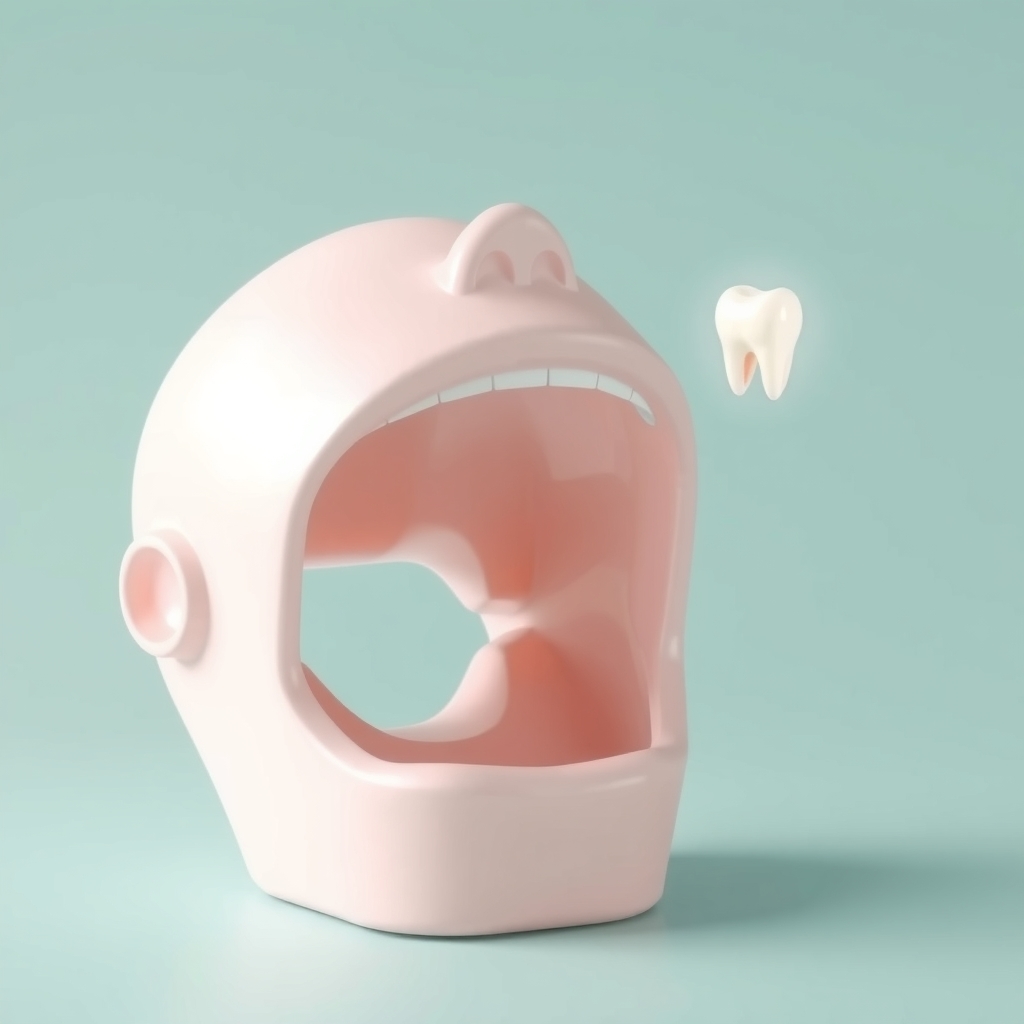
When a child breathes through the mouth instead, the tongue drops low in the mouth, the lips stay apart, and the lower jaw tends to hang open. Over months and years, this changes the pressures acting on the growing bones of the face.
How Mouth Breathing Leads to Dental and Facial Changes
Without the tongue pressing against the palate, the upper jaw does not widen the way it should. This can lead to:
- A narrow, high arched palate
- Crowded or crooked teeth due to insufficient space
- An open bite or a visible gap between upper and lower front teeth
- A longer, narrower facial appearance sometimes called "adenoid face"
- A receding chin or lower jaw
- Dry mouth, which increases the risk of cavities and gum irritation
These changes usually happen gradually, which is why they are often missed until a dentist or orthodontist points them out during a routine check-up.
Common Causes Behind Mouth Breathing in Children
Chronic mouth breathing is usually a symptom of something blocking the nasal airway. Common causes include:
- Enlarged tonsils or adenoids
- Chronic allergies or a deviated nasal septum
- Frequent colds or sinus congestion
- Thumb sucking or prolonged pacifier use, which can worsen the habit
Identifying the underlying reason is important, because simply asking a child to "close your mouth" rarely fixes the habit if their nose is genuinely blocked.
Signs Parents Should Watch For
| Signs at rest or during the day | Signs during sleep |
|---|---|
| Mouth hangs open most of the time | Snoring, even mild |
| Dry, cracked lips | Restless sleep or frequent waking |
| Difficulty chewing with lips closed | Sleeping with neck extended backward |
| Speech that sounds nasal or unclear | Bedwetting in older children |
If several of these signs sound familiar, it is worth getting your child evaluated rather than waiting for the habit to resolve on its own.
When to See a Dentist or ENT
It helps to think of this as a two part evaluation. A pediatric dentist or orthodontist can assess how the jaws and teeth are developing, check the width of the palate, and look for early signs of crowding or bite problems. An ENT specialist can examine the tonsils, adenoids, and nasal passages to find out why your child cannot breathe comfortably through their nose.
You should consider a visit if your child:
- Is over the age of 4 and still breathes with an open mouth most of the time
- Snores regularly or seems to sleep poorly
- Has visibly crowded teeth or a narrow upper jaw appearing early
- Struggles with chronic nasal congestion or allergies
Early evaluation, ideally between ages 4 and 8, gives the best chance to guide jaw growth naturally, since the bones are still developing and more responsive to correction. This may involve treating the airway issue first, followed by supportive dental approaches such as palate expanders or myofunctional therapy if recommended.
What Parents Can Do Right Now
Start by observing your child during sleep and while they are relaxed and not talking or eating. Note how often their mouth stays open. Keep a simple log for a week if possible, since this information is genuinely useful for the dentist or ENT during the first visit.
At Esthetica International Clinique in Sector 47, Gurugram, we regularly see young patients from both Gurugram and Malviya Nagar, Delhi for early growth and bite evaluations. A timely check-up can make a real difference in how comfortably and confidently your child's smile and face develop.
Have questions about your teeth?
Esthetica International Clinique · 95P, Sector 47, Gurugram
Frequently asked questions
How can I tell if my child is a mouth breather?
Watch for open mouth posture at rest, snoring, dry lips in the morning, dark circles under the eyes, and breathing through the mouth during the day or while sleeping. A pediatric dentist or ENT can confirm this with a simple examination.
Can mouth breathing be reversed in children?
Yes, especially when caught early. Treating the underlying cause, such as enlarged tonsils, allergies, or a blocked nose, along with myofunctional therapy or orthodontic guidance, can help the child shift back to nasal breathing and support normal jaw growth.
At what age should I get this checked?
It is best to have your child evaluated between ages 4 and 8, while the jaws are still growing and easier to guide. However, older children can still benefit from treatment, though results may take longer.
Does mouth breathing only affect teeth?
No. Along with dental crowding, it can affect facial shape, sleep quality, concentration in school, and overall growth. This is why both dental and ENT evaluation are often needed together.
Treatment costs mentioned on this page are indicative ranges for the Gurugram & Malviya Nagar, Delhi region. Your exact cost depends on your case and will be confirmed after a clinical examination at the clinic.