Professional Fluoride Treatments: Stronger Enamel, Fewer Cavities
Cavities are one of the most common dental problems we see at our clinic, in both children and adults. One of the simplest and most well studied ways to reduce this risk is professional fluoride treatment. If you live in Gurugram or Malviya Nagar, Delhi and want to understand how this treatment works, who needs it, and what it costs, this guide covers the essentials in plain language.
What Fluoride Does to Your Teeth
Fluoride is a mineral that helps rebuild and strengthen the outer layer of your teeth, called enamel. Every day, acids from food, drinks, and bacteria wear away tiny amounts of mineral from your enamel. This is called demineralisation. Saliva and fluoride help put those minerals back, a process called remineralisation.
When fluoride is regularly available in the mouth, it makes enamel more resistant to acid attacks and can even help reverse very early, microscopic damage before it turns into a visible cavity. This is why fluoride is added to toothpaste, some water supplies, and why dentists offer stronger, professional-grade fluoride treatments during check-ups.
Professional Treatment vs Toothpaste Fluoride
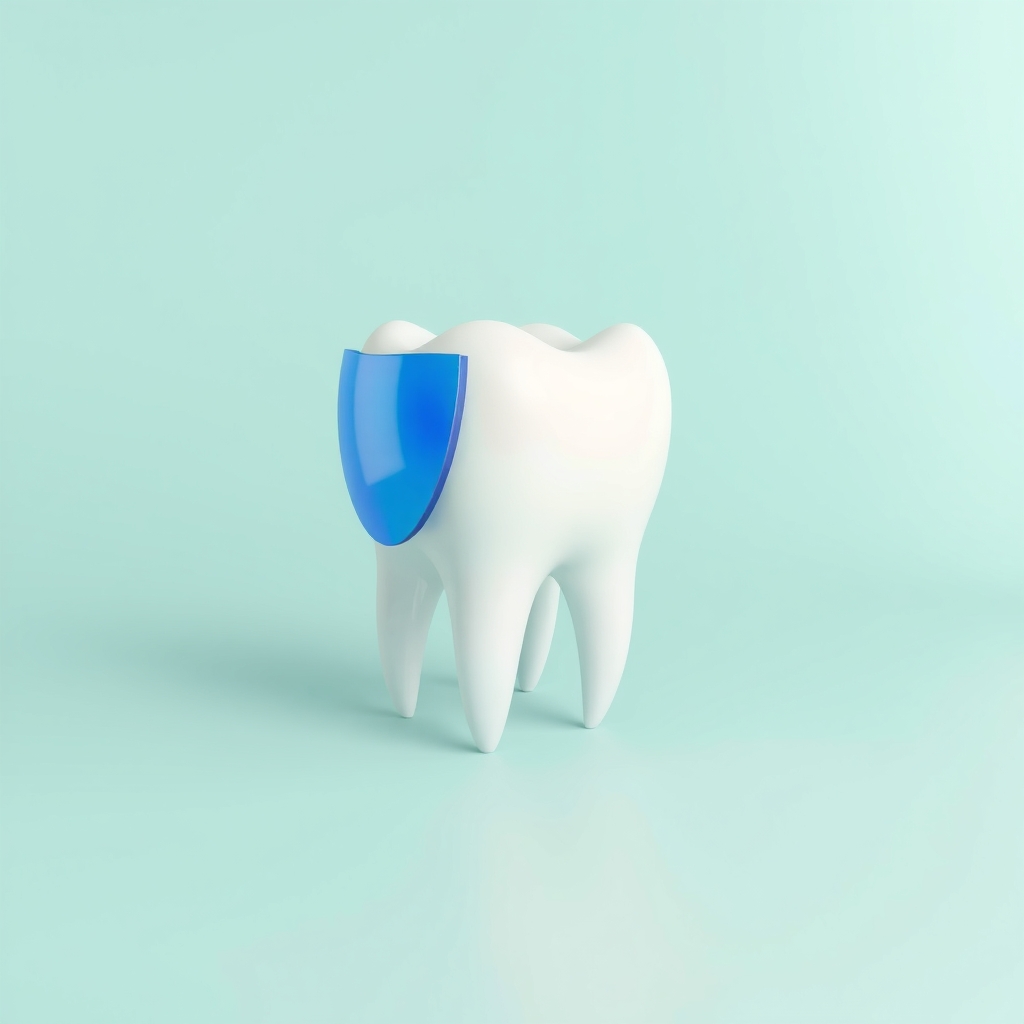
The fluoride in your daily toothpaste is helpful, but it is present in a lower concentration for safety reasons since you use it unsupervised at home. Professional fluoride treatments, applied by a dentist or hygienist as a gel, foam, or varnish, contain a higher concentration and are placed directly on the teeth for a short, controlled period. This gives your enamel a concentrated boost that daily brushing alone cannot fully match.
How the Treatment Is Applied
- The dentist first cleans and dries your teeth.
- A fluoride gel, foam, or varnish is applied using a small brush or a tray placed over the teeth.
- It is left on for one to a few minutes.
- You are usually asked to avoid eating, drinking, or rinsing for about 30 minutes afterward so the fluoride can absorb properly.
The whole process is quick, painless, and typically takes less than 10 minutes as part of a routine dental visit.
Who Should Consider Fluoride Treatment
Fluoride treatment is recommended based on individual risk factors rather than for everyone automatically. Your dentist will assess your enamel condition, diet, and history before suggesting it.
In Children
- Children with a higher risk of cavities due to frequent snacking on sugary foods
- Children with early signs of enamel weakening or white spots on teeth
- Kids who have had cavities before, especially at a young age
- As a routine preventive step during regular paediatric dental visits
In Adults
- Adults with dry mouth caused by medications or certain health conditions
- People with exposed root surfaces due to gum recession
- Adults undergoing orthodontic treatment, since braces can trap food and plaque
- Anyone with a history of frequent cavities or highly acidic diets
- Patients recovering from radiation therapy to the head or neck, which can affect saliva flow
How Often Is It Needed
For most people, fluoride treatment is recommended once or twice a year alongside regular dental check-ups and cleanings. Those at higher risk of cavities, including children with active decay history or adults with significant dry mouth, may be advised to have it every three to six months. Your dentist will personalise this schedule based on your mouth's specific needs.
What It Costs in Gurugram and Malviya Nagar, Delhi
Fluoride treatment is one of the more affordable preventive dental procedures. Costs can vary depending on the clinic, the type of fluoride product used, and whether it is combined with a cleaning or check-up visit.
| Service | Typical Range (INR) |
|---|---|
| Fluoride varnish or gel application (single visit) | Rs 500 to Rs 1,500 |
| Fluoride treatment combined with routine cleaning | Rs 1,500 to Rs 3,500 |
| Paediatric fluoride application | Rs 500 to Rs 1,200 |
These figures are a typical range for Gurugram and Malviya Nagar, Delhi and are meant as a general guide only. Your dentist will confirm the exact cost after an in-person evaluation, since it depends on your specific treatment plan.
Simple Ways to Support Enamel Between Visits
- Brush twice daily with a fluoride toothpaste
- Limit frequent snacking on sugary or acidic foods and drinks
- Drink plenty of water, especially if you experience dry mouth
- Floss daily to reduce plaque buildup between teeth
- Keep up with regular dental check-ups every six months
Fluoride treatment works best as part of a complete oral care routine rather than as a stand-alone fix. If you are unsure whether you or your child would benefit from professional fluoride application, a simple check-up at our Sector 47 Gurugram clinic can help determine the right approach for your dental health.
Have questions about your teeth?
Esthetica International Clinique · 95P, Sector 47, Gurugram
Frequently asked questions
Is professional fluoride treatment safe for young children?
Yes. When applied by a dentist in the recommended amount, fluoride treatment is safe for children as young as one or two years old. The gel or varnish is applied in a small, controlled dose and any excess is wiped away, so swallowing risk is minimal.
How often should adults get fluoride treatment?
Most adults benefit from fluoride application once or twice a year during regular check-ups. Adults with dry mouth, gum recession, or a history of frequent cavities may be advised to have it more often.
Can fluoride treatment reverse a cavity that has already formed?
Fluoride can reverse very early enamel weakening, sometimes seen as a white spot, before an actual hole forms. Once decay has created a cavity, fillings or other restorative treatment are needed instead.
Does fluoride treatment replace brushing and flossing?
No. Fluoride treatment supports your daily oral care but does not replace it. Brushing twice a day, flossing, and regular dental visits remain necessary for long-term dental health.
Treatment costs mentioned on this page are indicative ranges for the Gurugram & Malviya Nagar, Delhi region. Your exact cost depends on your case and will be confirmed after a clinical examination at the clinic.