Dry Socket After Tooth Extraction: How to Recognize and Treat It
A tooth extraction is usually followed by a few days of manageable soreness that gets better each day. If your pain suddenly spikes around the third or fourth day instead of fading, you may be dealing with dry socket. This is one of the most common reasons patients in Gurugram and Malviya Nagar, Delhi call their dentist back after an extraction, and understanding it can help you get relief faster.
What Is Dry Socket?
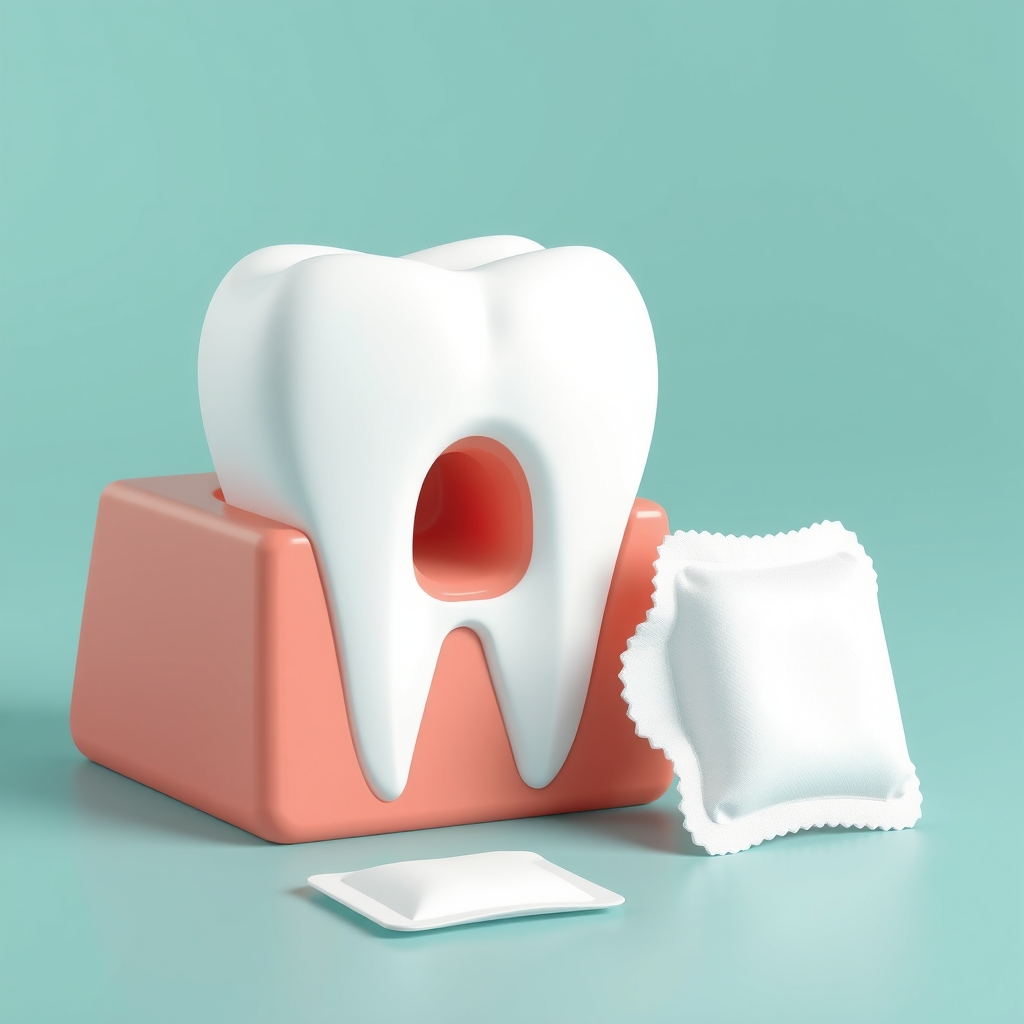
After a tooth is removed, a blood clot normally forms in the empty socket. This clot protects the underlying bone and nerves while new tissue grows underneath it. Dry socket, known medically as alveolar osteitis, happens when this clot gets dislodged or dissolves too early, leaving the bone and nerve endings exposed to air, food, and bacteria.
How to Recognize Dry Socket
The signs are usually easy to notice because they feel different from normal post-extraction discomfort.
- Pain that worsens on day two, three, or four instead of improving
- A throbbing or aching pain that may radiate to your ear, eye, or jaw on the same side
- An empty looking socket, sometimes with visible bone
- A bad taste in the mouth or noticeable bad breath
- Mild fever in some cases
Normal healing pain typically responds well to basic painkillers and feels less intense each day. Dry socket pain tends to be sharper, more persistent, and does not respond as well to regular pain relief.
When to Call Your Dentist
If pain increases after the second day, or if you notice a foul smell or taste along with the pain, it is best to get the socket examined rather than waiting. Early treatment usually brings quick relief.
Why Dry Socket Happens
Dry socket is not caused by poor dental work. It happens due to factors that disturb the healing clot. Common contributors include:
- Smoking or using tobacco products soon after extraction
- Drinking through a straw, which creates suction that can dislodge the clot
- Vigorous rinsing or spitting in the first 24 hours
- Poor oral hygiene that allows bacteria to interfere with healing
- Extractions of lower wisdom teeth, which are more prone to this complication
- Use of birth control pills, due to hormonal effects on clotting
- Having had dry socket before, which increases the chance of it recurring
How Dentists Treat Dry Socket
Treatment is usually straightforward and brings noticeable relief within a day. Your dentist will typically:
- Gently clean the socket to remove any food debris or loose tissue
- Place a medicated dressing or gel directly into the socket to soothe the exposed bone and nerve
- Prescribe pain relief medication if needed
- Advise on rinsing with a prescribed or saline solution at home
- Schedule a follow up visit to replace the dressing if the pain has not fully settled
Most patients feel significant relief after the first dressing, though a second visit is sometimes needed for the dressing to be changed as healing progresses.
What You Can Do at Home While Waiting for Your Appointment
- Rinse gently with warm salt water, without forceful swishing
- Avoid smoking and alcohol until healing is complete
- Stick to soft foods and chew on the opposite side
- Avoid using straws
- Take pain relief medication as advised by your dentist
Typical Cost of Dry Socket Treatment
Dry socket treatment is generally an affordable, quick in-clinic procedure. Costs can vary depending on the number of visits needed and whether additional medication is prescribed.
| Treatment | Typical Range in Gurugram & Malviya Nagar, Delhi |
|---|---|
| Socket cleaning and medicated dressing (per visit) | Rs 500 to Rs 1,500 |
| Follow up dressing change, if required | Rs 300 to Rs 1,000 |
These are approximate figures meant to give you a general idea. Your dentist will confirm the exact cost after examining the socket.
Preventing Dry Socket After Your Next Extraction
Following your dentist's aftercare instructions closely in the first 48 to 72 hours is the best way to protect the healing clot. Avoiding smoking, straws, and vigorous rinsing during this window significantly lowers your risk. If you have had dry socket before, mention this to your dentist before any future extraction so they can take extra preventive steps.
Have questions about your teeth?
Esthetica International Clinique · 95P, Sector 47, Gurugram
Frequently asked questions
How many days after extraction does dry socket usually start?
Most cases appear between day 2 and day 4 after the extraction, once the pain that was improving suddenly becomes worse instead of better.
Can I treat dry socket at home?
Gentle warm salt water rinses and over the counter pain relief can help temporarily, but dry socket needs a dental dressing to heal properly. Home care alone usually is not enough to stop the pain.
Does dry socket mean the extraction was done wrong?
No. Dry socket can happen even after a carefully performed extraction. It depends on healing factors like blood clot stability, smoking, and oral hygiene, not just the procedure itself.
Is dry socket an emergency?
It is not life threatening, but it is very painful and needs prompt dental attention. Call your dentist as soon as you notice worsening pain rather than waiting it out.
Treatment costs mentioned on this page are indicative ranges for the Gurugram & Malviya Nagar, Delhi region. Your exact cost depends on your case and will be confirmed after a clinical examination at the clinic.