Warning Signs of a Failing or Loose Dental Implant
Dental implants are built to last many years, but like natural teeth, they can run into trouble. If your implant feels loose, sore, or the gum around it looks swollen, it is natural to worry. This guide explains the warning signs of a failing implant, why it happens, and what treatment options are available if you are in Gurugram or Malviya Nagar, Delhi.
Warning Signs You Should Not Ignore
Most implant problems give some warning before they become serious. Watch for these signs:
- The implant crown or the implant itself feels wobbly or shifts when you bite
- Gums around the implant look red, puffy, or bleed when brushed
- Pus or a bad taste coming from the implant site
- Persistent bad breath localized to that area
- Pain, throbbing, or discomfort while chewing
- Gum recession that makes the metal implant edge visible
- A feeling that the bite has changed on that side
Any one of these symptoms is a reason to get the implant checked. Waiting often allows the problem to worsen and reduces the chances of saving the implant.
What Causes an Implant to Fail?
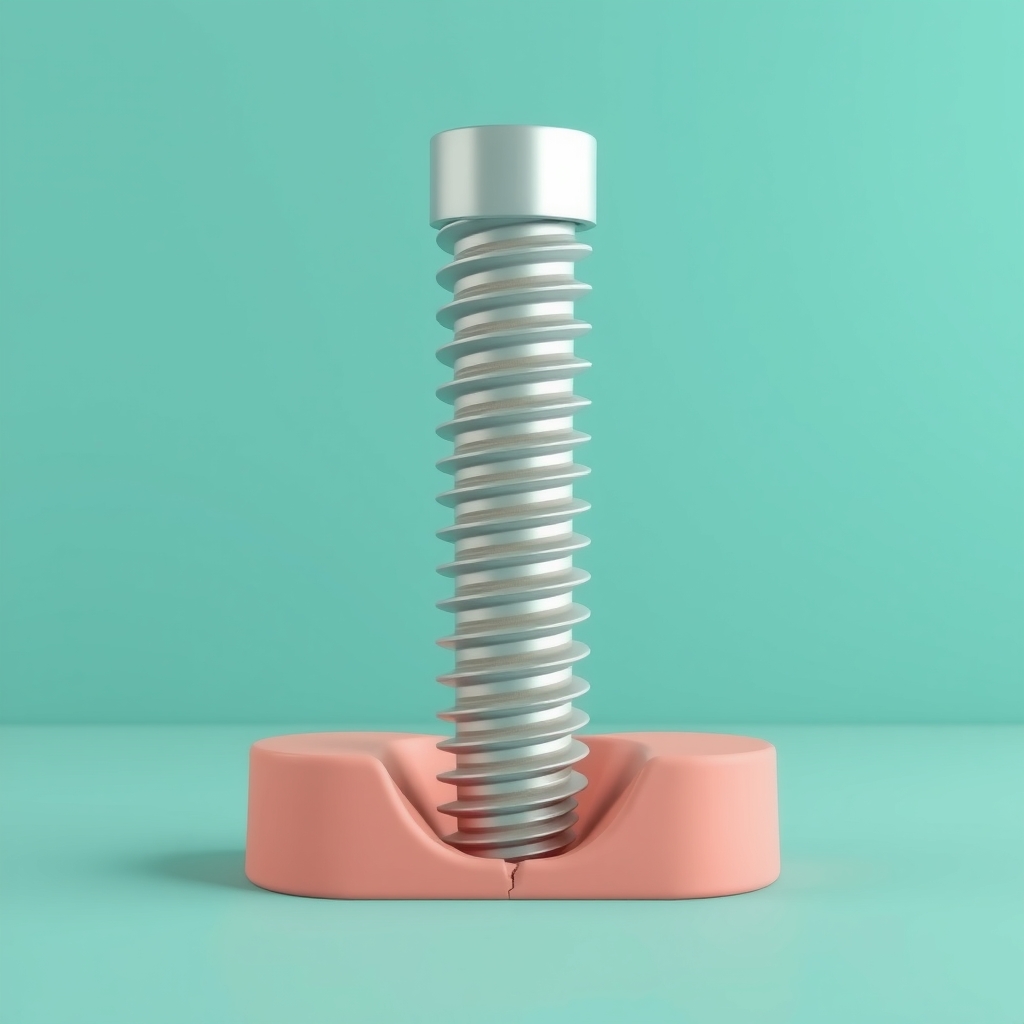
Peri-implantitis
This is the most common cause of late implant failure. It is a gum infection around the implant, similar to gum disease around natural teeth. Plaque and bacteria build up at the base of the implant, causing inflammation that gradually breaks down the bone holding it in place. Left untreated, it can lead to a genuinely loose implant.
Poor Bone Integration
Sometimes the implant does not fuse properly with the jawbone in the first few months after placement, a process called osseointegration. This can happen due to insufficient bone density, smoking, uncontrolled diabetes, or infection during healing.
Excess Bite Force
Grinding or clenching (bruxism), or a bite that puts too much pressure on the implant, can loosen it over time even without infection.
Loose Components
Occasionally it is not the implant itself but the small screw connecting the crown to the implant that has loosened. This feels similar but is usually simpler to fix.
Other Contributing Factors
- Smoking, which slows healing and raises infection risk
- Poor oral hygiene around the implant
- Uncontrolled diabetes or other health conditions affecting healing
- Thin or receded gum tissue exposing the implant to bacteria
How Dentists Diagnose the Problem
At the clinic, evaluation usually includes checking for mobility, measuring gum pockets around the implant, and taking an X-ray to assess the bone level. This helps determine whether the issue is early gum inflammation, established peri-implantitis, a loose screw, or true implant failure.
Treatment Options
If It Is Just the Crown or Screw
Re-tightening or replacing the abutment screw can often resolve looseness quickly, sometimes in a single visit.
If It Is Early Peri-implantitis
- Deep cleaning around the implant surface
- Antiseptic mouth rinses or localized antibiotic treatment
- Improved home care instructions, including specific brushes or floss designed for implants
If Bone Loss Has Progressed
Minor gum surgery to clean the implant surface and, in some cases, bone grafting may help stabilize the area and stop further loss.
If the Implant Is Truly Failing
When mobility is confirmed and bone support is significantly compromised, removal of the implant is usually necessary. After the site heals, and depending on bone quality, a new implant can often be placed, sometimes along with a bone graft to rebuild support first.
| Situation | Typical Approach |
|---|---|
| Loose screw, implant stable | Re-tightening or screw replacement |
| Early gum inflammation | Deep cleaning, hygiene guidance |
| Moderate bone loss | Gum surgery, possible grafting |
| Implant clearly mobile | Removal and future re-placement |
Cost Considerations
Treatment cost depends on how advanced the issue is. In Gurugram and Malviya Nagar, Delhi, the typical range for deep cleaning and maintenance therapy is modest, while surgical treatment, bone grafting, or a full implant replacement costs more. Your dentist can give a clear estimate once the extent of the problem is known during examination.
Protecting Your Implant Going Forward
- Brush and clean around the implant as carefully as your natural teeth
- Use interdental brushes or a water flosser if recommended
- Avoid smoking, which significantly raises failure risk
- Get a night guard if you grind your teeth
- Keep up with regular dental check-ups so early signs are caught quickly
If your implant feels different in any way, do not wait for pain to become severe. Early attention gives the best chance of saving it.
Have questions about your teeth?
Esthetica International Clinique · 95P, Sector 47, Gurugram
Frequently asked questions
Can a loose implant tighten itself back up?
No. A truly loose implant will not tighten on its own and needs a dentist's evaluation soon. Sometimes it is only the crown or abutment screw that is loose, which can often be re-tightened, so it is worth getting checked before assuming the worst.
Is implant failure painful?
Not always. Early peri-implantitis may cause only mild gum tenderness or bleeding while brushing, with little or no pain. Pain, throbbing, or swelling usually appears once the problem has progressed, which is why regular check-ups matter.
How long after getting an implant can it fail?
Implants can fail early, within the first few months if the bone did not fuse properly, or years later due to gum infection, grinding, or poor hygiene. Both patterns are seen, so ongoing care matters at every stage.
Will I definitely need a new implant if mine fails?
Not necessarily. Many failing implants can be treated and saved if caught early through deep cleaning, medication, or minor gum surgery. Replacement is usually considered only when the implant is clearly mobile or bone support is significantly lost.
Treatment costs mentioned on this page are indicative ranges for the Gurugram & Malviya Nagar, Delhi region. Your exact cost depends on your case and will be confirmed after a clinical examination at the clinic.