Why Prolonged Night Feeding Causes Early Childhood Caries in Toddlers
Many parents in Gurugram and Malviya Nagar are surprised to see dark spots or cavities on their toddler's teeth, especially when they feel they are taking good care of their child. One of the most common and overlooked causes is prolonged bottle feeding or breastfeeding at night. This condition, known as early childhood caries or baby bottle tooth decay, is more common than most parents realise, and it is largely preventable with a few changes in daily habits.
What Is Early Childhood Caries?
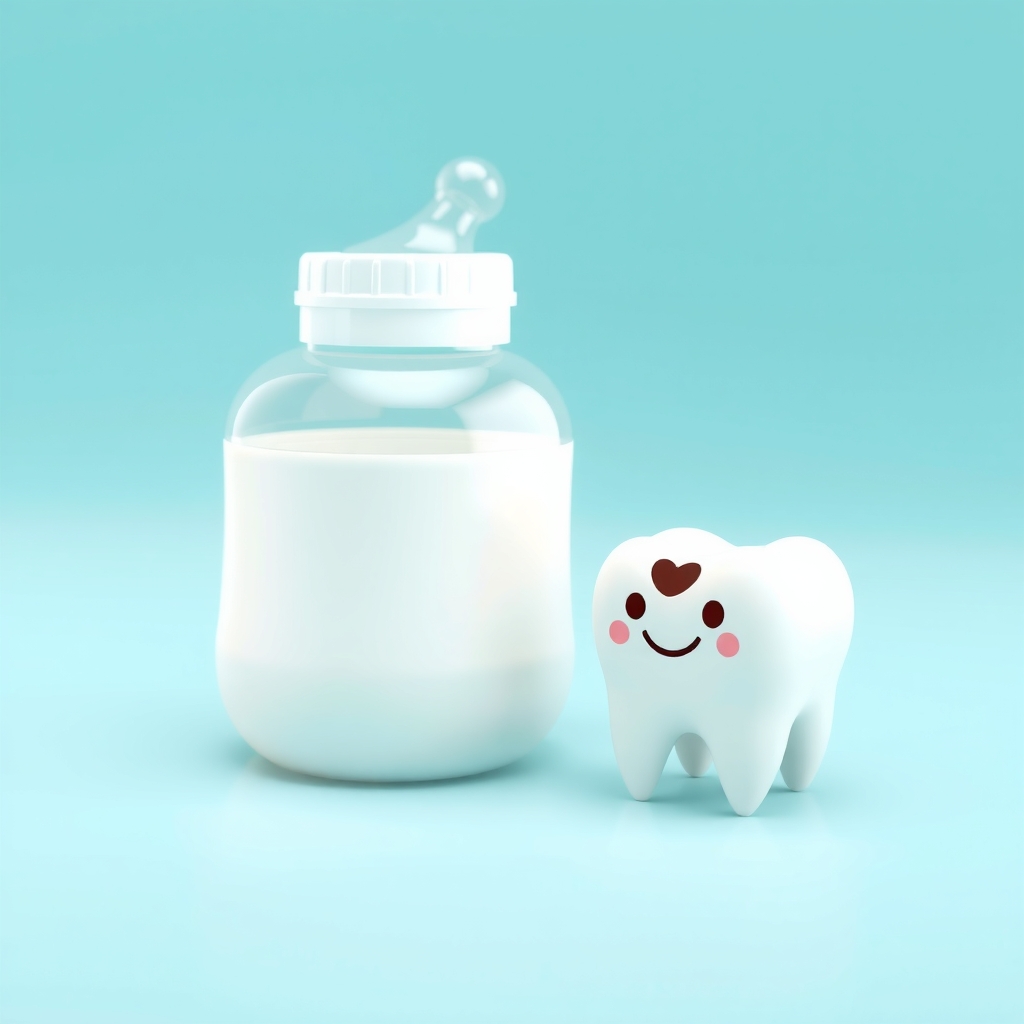
Early childhood caries refers to cavities that develop in the teeth of infants and toddlers, usually affecting the upper front teeth first. It happens when sugary liquids, including milk, formula, and breast milk, stay in contact with the teeth for extended periods. Over time, bacteria in the mouth break down these sugars and produce acid that wears away the enamel, leading to decay.
Why Nighttime Feeding Is Especially Risky
During the day, saliva helps wash away food particles and neutralise acids naturally. At night, saliva production slows down significantly. If a toddler falls asleep with a bottle or while breastfeeding, the milk pools around the teeth for hours with very little saliva to clear it away. This creates a prolonged acid attack on the enamel, which is thinner and more vulnerable in baby teeth than in adult teeth.
This is why children who are bottle fed or breastfed frequently through the night, well past the age when teeth have erupted, are at higher risk of developing cavities compared to those who are weaned off night feeds earlier.
Common Signs Parents Notice
- White or chalky patches near the gumline, usually on the upper front teeth
- Brown or black spots on the teeth
- Visible holes or pits in the teeth
- Sensitivity while eating or drinking
- Bad breath that does not improve with brushing
- Irritability or reluctance to eat, especially cold or sweet foods
Parents often assume that because these are baby teeth, cavities are not a serious concern. However, decayed baby teeth can cause pain, affect chewing and nutrition, and in some cases, impact the development of the permanent teeth growing underneath.
How Parents Can Prevent It
1. Avoid Letting Your Toddler Fall Asleep With a Bottle
If your child needs a bottle to settle down, try to remove it once they are drowsy but before they fall completely asleep. Gradually work towards phasing out the bedtime bottle altogether.
2. Wipe or Clean Gums and Teeth After Night Feeds
Even before teeth appear, gently wiping your baby's gums with a clean, damp cloth after feeding helps reduce bacterial buildup. Once teeth erupt, a soft infant toothbrush with a rice grain sized smear of fluoride toothpaste can be used.
3. Switch to Water for Night Feeds When Possible
If your toddler wakes up at night wanting to suckle out of habit rather than hunger, offering plain water instead of milk can significantly lower the risk of decay.
4. Start Brushing Early and Supervise Until Age 6 or 7
Brushing twice a day, once in the morning and once before bed, should start as soon as the first tooth appears. Parents should supervise or help brush until the child has the coordination to do it well on their own.
5. Limit Sugary Liquids in Bottles and Sippy Cups
Avoid filling bottles with juice, flavoured milk, or sweetened drinks. Even natural fruit juices contain sugars that can contribute to decay if sipped throughout the day or night.
6. Schedule Your Toddler's First Dental Visit Early
Pediatric dental guidelines recommend a first visit by the time the first tooth appears or by the first birthday, whichever comes first. Early visits help catch problems before they become painful or extensive.
| Habit | Risk Level | Suggested Alternative |
|---|---|---|
| Falling asleep with milk bottle | High | Remove bottle before full sleep; switch to water |
| Frequent night breastfeeding after tooth eruption | Moderate to High | Gradual weaning with pediatrician guidance |
| Juice in bedtime bottle | High | Offer juice only during the day, in a cup |
| No brushing after night feeds | High | Wipe gums or brush teeth before bed |
When to See a Dentist
If you notice any white spots, discoloration, or your toddler complains of pain while eating, it is best to get a dental check done rather than wait. Early intervention is simpler, more comfortable for your child, and helps protect the health of their permanent teeth later on. Families in Gurugram and Malviya Nagar can bring their toddlers in for a gentle, child friendly evaluation to catch any early signs of decay before they progress.
Preventing early childhood caries is largely about small, consistent habits rather than drastic changes. With mindful feeding practices and regular dental checkups, most toddlers can grow up with healthy, cavity free smiles.
Have questions about your teeth?
Esthetica International Clinique · 95P, Sector 47, Gurugram
Frequently asked questions
My toddler only drinks milk, not juice, can they still get cavities?
Yes. Milk, including breast milk and formula, contains natural sugars called lactose. When it stays on the teeth for long periods, especially overnight, these sugars feed decay causing bacteria just like juice or sweetened drinks do.
Do cavities in baby teeth really matter since they will fall out anyway?
Baby teeth matter a great deal. They hold space for adult teeth, help with chewing and speech, and support confident smiles. Untreated decay can cause pain, infection, and problems with the permanent teeth developing underneath.
At what age should I stop night feeding my toddler?
Most dentists and pediatricians suggest weaning toddlers off bottles by 12 to 14 months and avoiding prolonged night feeds once the first teeth appear. Your child's pediatrician can guide the exact timeline based on their needs.
What is the first sign of baby bottle tooth decay parents should watch for?
Look for white or chalky spots near the gumline on the upper front teeth. This is often the earliest visible sign, appearing before the more obvious brown or black spots of advanced decay.
Treatment costs mentioned on this page are indicative ranges for the Gurugram & Malviya Nagar, Delhi region. Your exact cost depends on your case and will be confirmed after a clinical examination at the clinic.